Your facility requires regular sanitation protocols tailored to unique hazards, processing volumes, allergen management, and regulatory visits, including verifiable documentation confirming HACCP requirements, compliance audits, and health department standards. The information following provide guidance on sanitation program requirements.
Key Takeaways
- Brampton sanitation experts support restaurants, grocery departments, commissaries, warehouses, bakeries, schools, mobile vendors, and allergen-sensitive operations.
- They disinfect high-touch surfaces, food-contact equipment, kitchens, floors, drains, restrooms, and storage areas using sectional methods to avoid cross-contamination.
- Filing of finalization through swabs, reviews, and action records confirms trained providers have validated proper chemical concentration, alignment, and exposure duration.
- Hygiene timelines must respect risk, throughput, changeovers, accidents, and requirements, with routine, recurring, and seasonal activities assigned by section.
- Insurance, coded equipment, HACCP, sanitation competency, WHMIS instruction, endorsements, and inspection-ready sanitation files are essential supplier traits.
Which Brampton Operations Need Food Safety Cleaning?
Any Brampton facility that manages, stores, prepares, packages, or serves food needs food sanitation. You must follow it if your facility falls under public health review, food rules, or HACCP systems. That requirement covers restaurants, cafeterias, commissaries, grocery food departments, butcher shops, seafood counters, convenience stores, and institutional kitchens.
You'll also need proper hygiene protocols in storage centers, processing facilities, refrigerated warehouses, bakery retailers, school nutrition programs, event halls, and delivery centers. Seasonal and mobile ventures apply too, like mobile kitchens, market vendors, and seasonal booths. If your staff handle raw materials, divide prepared dishes, warm finished meals, or maintain allergen storage, your venue requires written cleaning standards. In Brampton, cleanliness continues to be mandatory; it represents regulatory, business, and safety adherence.
What Do Brampton Cleaning Professionals Handle?
You need skilled cleaning experts who sanitize frequently touched areas, kitchen spaces, flooring, and bathrooms to ensure compliance with food safety and health standards. These areas are targeted due to their high cross-contamination potential, slip and fall dangers, and health code violations.
By understanding their service scope, you are able to confirm your facility's cleaning procedures satisfy all operational and regulatory requirements.
High-Touch Surface Sanitizing
Managing high-touch surface cleaning is essential for Brampton sanitation experts because these surfaces can transfer harmful organisms and food particles throughout a space. You require a formal plan for cleaning all high-touch items including handles, plates, switches, railings, control surfaces, POS systems, and refrigeration equipment. Implementing area assessment techniques, professionals pinpoint every high-traffic surface and determine cleaning intervals
By swapping wipes, implementing one-way processes, and organizing cleaning supplies according to location, you keep a verifiable, documented, and compliance-ready sanitation program.
Food Prep Areas, Flooring, and Sanitary Facilities
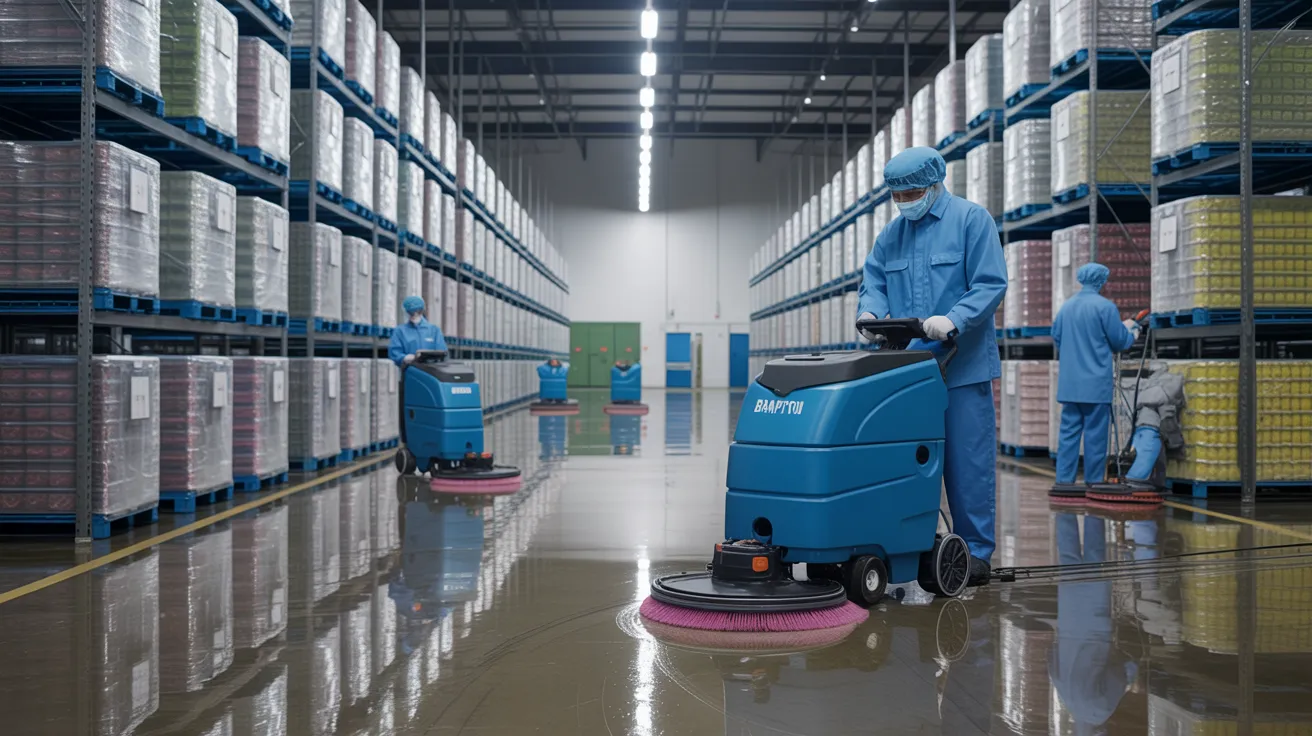
Professional cleaners in Brampton prioritize kitchens, floors, and restrooms given that each location involves distinct food safety, slip-and-fall, and public health requirements. In industrial kitchens, you need degreasing on cook lines, equipment exteriors, drains, prep surfaces, and splash zones to reduce contamination and pest pressure.
Floor care that is documented should also be anticipated. Technicians clean and remove buildup from tile grout, ceramic surfaces, and vinyl floors, then apply correct drying techniques so you can reduce slip incidents and maintain code-compliant conditions. They also address entryways where moisture and debris migrate indoors.
For restroom sanitation, cleaners disinfect high-touch surfaces, bathroom fixtures, stall dividers, supply dispensers, and trash receptacles, then replace products and reduce odor. They also maintain restaurant cleaning supply rooms where product storage, sink cleanliness, and drain systems impact daily sanitation standards and worker protection.
Why Food Safety Cleaning Matters in Brampton
Brampton facilities require food-safe cleaning standards to fulfill compliance obligations and pass inspections. You also minimize bacterial spread through proper cleaning of food-preparation surfaces, appliances, and frequently-touched items. Most importantly, you safeguard community wellness by reducing the chance of food poisoning in your establishment.
Health Code Compliance
Because Brampton food operations operate under mandatory safety protocols, food safety cleaning directly determines your ability to meet health code requirements, safeguard customers, and eliminate enforcement action. You must maintain hygienic food handling zones, verifiable cleaning logs, appropriate product handling, and verifiable staff procedures that comply with municipal and provincial inspection expectations.
Well-maintained cleaning files aid you in demonstrating due diligence during compliance reviews and confirming your operations follow reliable patterns that are repeatable and tracked.
Contamination Prevention
Following regulatory requirements depends on your ability to prevent cross-contamination in routine food work and sanitation. You should isolate raw items from prepared foods, disinfect work areas after use, and maintain separation of cleaning products from food. Well-defined guidelines decrease contamination chances and support consistent compliance during inspections.
You might establish allergen separation to prevent priority allergens from contacting common areas, containers, or machinery. Apply separate boards, color-marked equipment, and strict utensil labeling so staff don't mix items throughout cooking or delivery. Mandate handwashing after handling uncooked meat, fish, egg products, or allergens. Change wiping cloths regularly, and test disinfectant concentration using strips. When you train staff to follow these controls each shift, you develop a more sanitary, secure business that matches Brampton's safety requirements daily.
Community Health Protection
When food safety cleaning breaks down, you don't just face inspection failure—you increase the chance of food-related sickness affecting customers, staff, and the wider Brampton community. You also weaken your role in safeguarding community wellness, especially in high-traffic food premises where contamination can spread quickly through surfaces, equipment, and touchpoints.
You need sanitation procedures that remove soils, sanitize correctly, and confirm effectiveness. That means following contact times, using approved disinfectants, recording cleaning times, and training staff to meet regulatory standards. These measures facilitate disease prevention by reducing pathogens before they contaminate surfaces or food. In Brampton, rigorous cleaning protects vulnerable populations, limits outbreak potential, and enables you to show due diligence. When you maintain proper standards, you exceed basic requirements—you actively reduce risk and support safer food service throughout the region.
In What Ways Does Cleaning Help Achieve Food Safety Compliance?
Maintaining rigorous cleaning routines strengthens food safety compliance by reducing contamination risks, preventing pathogen multiplication, and keeping your facility compliant with sanitation requirements under HACCP-based programs and public health regulations. You validate that product-contact areas stay visibly clean and microbiologically controlled, enabling documented preventive controls and inspection readiness.
Conscientious cleaning also strengthens allergen control by clearing residues that can trigger undeclared allergen exposure. When you integrate approved sanitation protocols with regulatory training, your staff can follow consistent approaches, handle approved chemicals appropriately, maintain records correctly, and address discrepancies prior to they escalate. Regular cleaning promotes audit trails, verifies remedial measures, and shows commitment when audited. It also helps you preserve product quality, maintain compliance standards, and decrease the chances of compliance actions, market recalls, customer complaints, and avoidable public health risks.
Determining When to Arrange Commercial Cleaning
Routines for cleaning are most successful when established based on risk factors, production capacity, and regulatory needs instead of just a predetermined calendar.
handled independently
Finding Quality Brampton Cleaning Experts: A Guide
Start by screening providers against food sanitation standards, not cost only. You should verify that each company understands CFIA, public health, and HACCP compliance standards relevant to your facility. Ask for insurance documentation, WHMIS compliance, documented staff training, and supervision practices. Review whether technicians understand cross-contamination risks, chemical handling, and traceable sanitation records.
You must also evaluate business consistency and oversight. Seek references from Brampton food companies, then assess response times, corrective-action procedures, and communication standards. Ensure the company enables supplier checks and can provide inspection-ready documentation when authorities or third parties demand verification. Verify equipment is maintained, color-coded items are deployed correctly, and operational-specific risks are understood. A qualified provider safeguards compliance, product safety, and your market standing.
Which components are part of a hygiene cleaning program?
Put together a written plan that establishes every sanitation duty, standard, and accountability ahead of production commencement. You should specify cleaning intervals, permitted substances, dilution percentages, exposure times, instruments, and inspection methods for each sector, surface, and equipment. Add pre-operational inspections, corrective actions, and employee training requirements.
Your plan should also include cross-contamination prevention, waste disposal, pest management measures, and scheduled documentation for restrooms, drains, floors, and food-contact areas. Specify how you'll distinguish raw from ready-to-eat operations, support ingredient tracking, and maintain accurate allergen labeling through validated cleaning between product changes. You should establish accountability, maintain signed records, and check results against regulatory standards, HACCP controls, and customer requirements. When gaps appear, adjust procedures immediately and retrain staff.
Frequently Asked Questions about the Plan
Are cleaning services offered for overnight shifts in Brampton facilities?
Yes, you can schedule cleaning services to accommodate overnight shifts in Brampton facilities. You'll coordinate overnight sanitation around operational schedules, access controls, and personnel needs. Services generally outline nightshift logistics to minimize interruption, ensure adherence, and document completed tasks. You should confirm response times, oversight, lockout procedures, and disposal methods before service begins.
Are hazard containment services provided from sanitation professionals?
Yes, you can expect many Brampton sanitation professionals to offer hazard containment solutions. They manage hazardous materials, assess risks, contain contamination, and begin swift cleanup to reduce exposure and operational disruption. report You should confirm their response times, training certifications, PPE protocols, and waste management. If your facility must comply with industry standards, choose a provider that documents incidents, follows compliant sanitation standards, and enables compliance verification.
Do eco-friendly disinfectants function safely on surfaces contacting food?
Definitely, eco-friendly disinfectants work safely on surfaces contacting food if you buy products labeled food safe that comply with compliance requirements. You must confirm exposure duration, concentration levels, and rinsing needs in advance of use. Plant based formulas lower toxic chemical contact, but you should obtain demonstration of efficacy against relevant pathogens. To ensure residue free surfaces, stick to precise manufacturer instructions and confirm your sanitizer satisfies food industry regulations.
Do sanitation programs permit seasonal shifts?
Without question, cleaning plans customize readily for seasonal production changes. Modify timing, staff levels, sanitizers, and validation steps to align with production rhythms while sustaining regulatory requirements. Decrease operational delays by scheduling cleaning during production shifts, maximum output, and equipment use patterns. Additionally update SSOPs, instruction programs, and monitoring protocols to capture transient threats, new allergens, or higher contamination levels. Consistent reviews ensure your schedule effective.
Are commercial cleaners offering staff training on hygiene protocols?
Absolutely, professional cleaning companies regularly deliver staff training on sanitation best practices. Your team gets instruction on correct chemical handling, contact times, contamination avoidance, machine takedown, and paperwork. They generally match guidance with HACCP, GMP, and CFIA or regional health authority requirements. Many conduct sanitation audits to verify compliance, identify gaps, and strengthen corrective measures. This enables you to sustain consistent procedures, clear audits, and lower contamination dangers routinely.
Closing Remarks
By partnering with Brampton commercial cleaning and food safety professionals, you aren't just organizing—you keep your operation inspection-ready and your practices up to code. From production areas to kitchen zones, every sanitized surface and maintained corner reduces pest risk and avoids expensive losses. By arranging service on the right schedule and adhering to a systematic cleaning protocol, you protect your team, clients, and your credibility. In a heavily controlled environment, hygienic conditions are mandatory—they're key to business compliance.